

LATEST MESSAGE

When Haman falls, Esther and Mordecai receive honor, but Esther isn’t satisfied with personal safety—she pleads for her people. The unchangeable decree remains, so the king authorizes a counter-decree that empowers the Jews to defend themselves, and hope floods the empire. That picture calls us to gospel urgency: rescued people intercede and act so others can find rescue in Christ. And unlike Esther’s day, our victory is already secured—Jesus has defeated sin and death—so we fight from confidence, not fear, with joy that endures.
When Haman falls, Esther and Mordecai receive honor, but Esther isn’t satisfied with personal safety—she pleads for her people. The unchangeable decree remains, so the king authorizes a counter-decree that empowers the Jews to defend themselves, and hope floods the empire. That picture calls us to gospel urgency: rescued people intercede and act so others can find rescue in Christ. And unlike Esther’s day, our victory is already secured—Jesus has defeated sin and death—so we fight from confidence, not fear, with joy that endures.
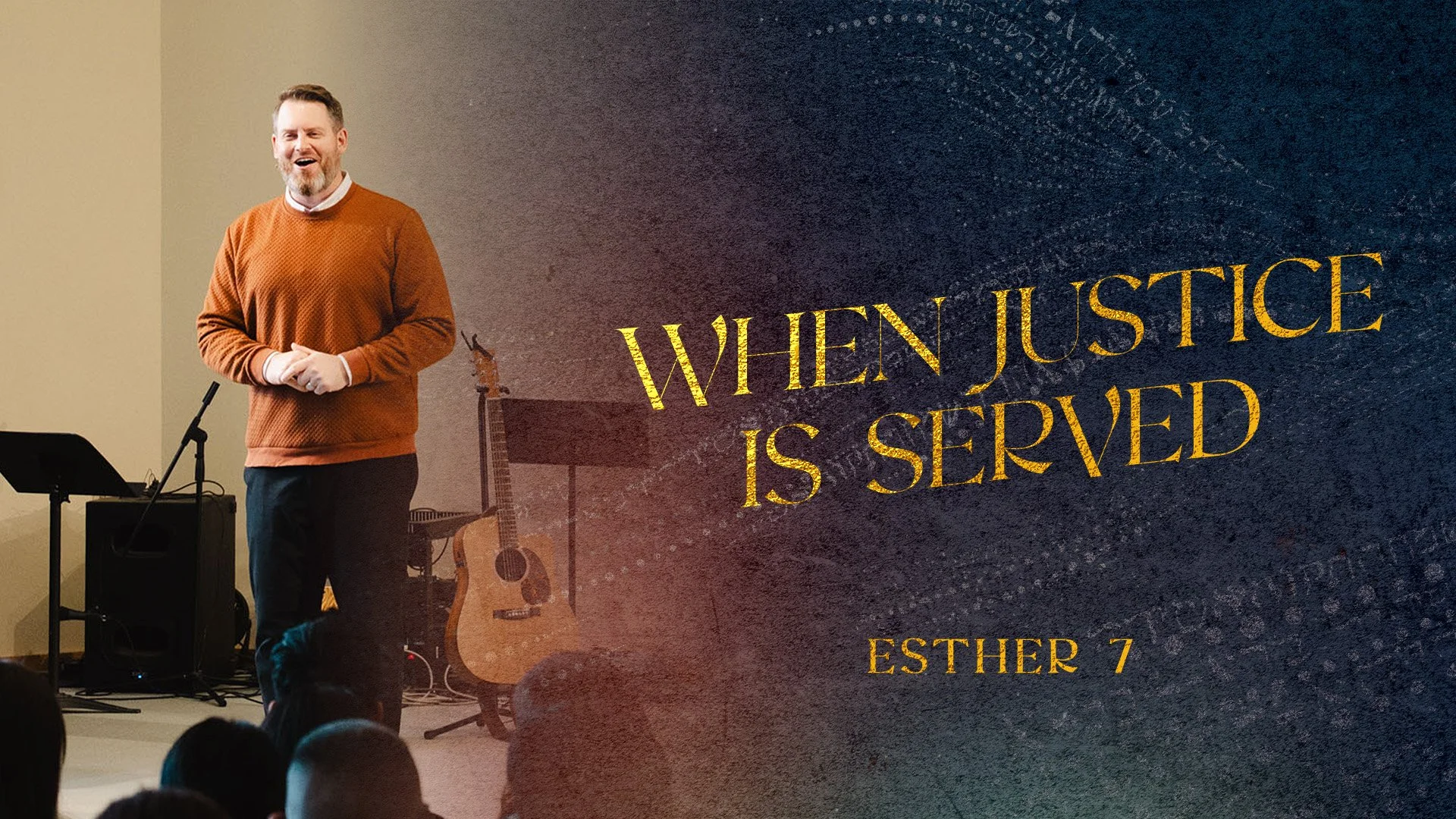
Esther steps into the moment with wise, prayer–soaked courage and asks for her life and her people’s, exposing Haman’s wicked plot. God’s hidden hand flips the script: the gallows built for Mordecai become Haman’s end, reminding us that justice may feel delayed but is never denied. Sin kept in the dark tightens its grip, but dragged into the light it starts to die, and grace meets repentant hearts. So we confront evil with truth and trust the God who works in the shadows for His glory and our good.

After three days of fasting, Esther steps into risk with a quiet, prayed-up courage, and God opens the king’s heart. Instead of rushing her request, she moves with wisdom, inviting Xerxes and Haman to two banquets while God arranges the unseen details. That same night, the king “just happens” to read how Mordecai once saved his life, and Haman is forced to honor the very man he hates. Pride buckles, providence stands, and we learn that God’s timing is never late and His hand is never absent, so obey first and trust Him with the outcome.
When Mordecai mourns and Esther hesitates, we see our own fear of risk, yet God positions ordinary people for key moments. Mordecai’s charge: “for such a time as this”—pushes Esther from self-preservation to obedience, and her “If I perish, I perish” shows faith that trusts God with the results. They fast, they act, and God moves. Obedience first, understanding later.
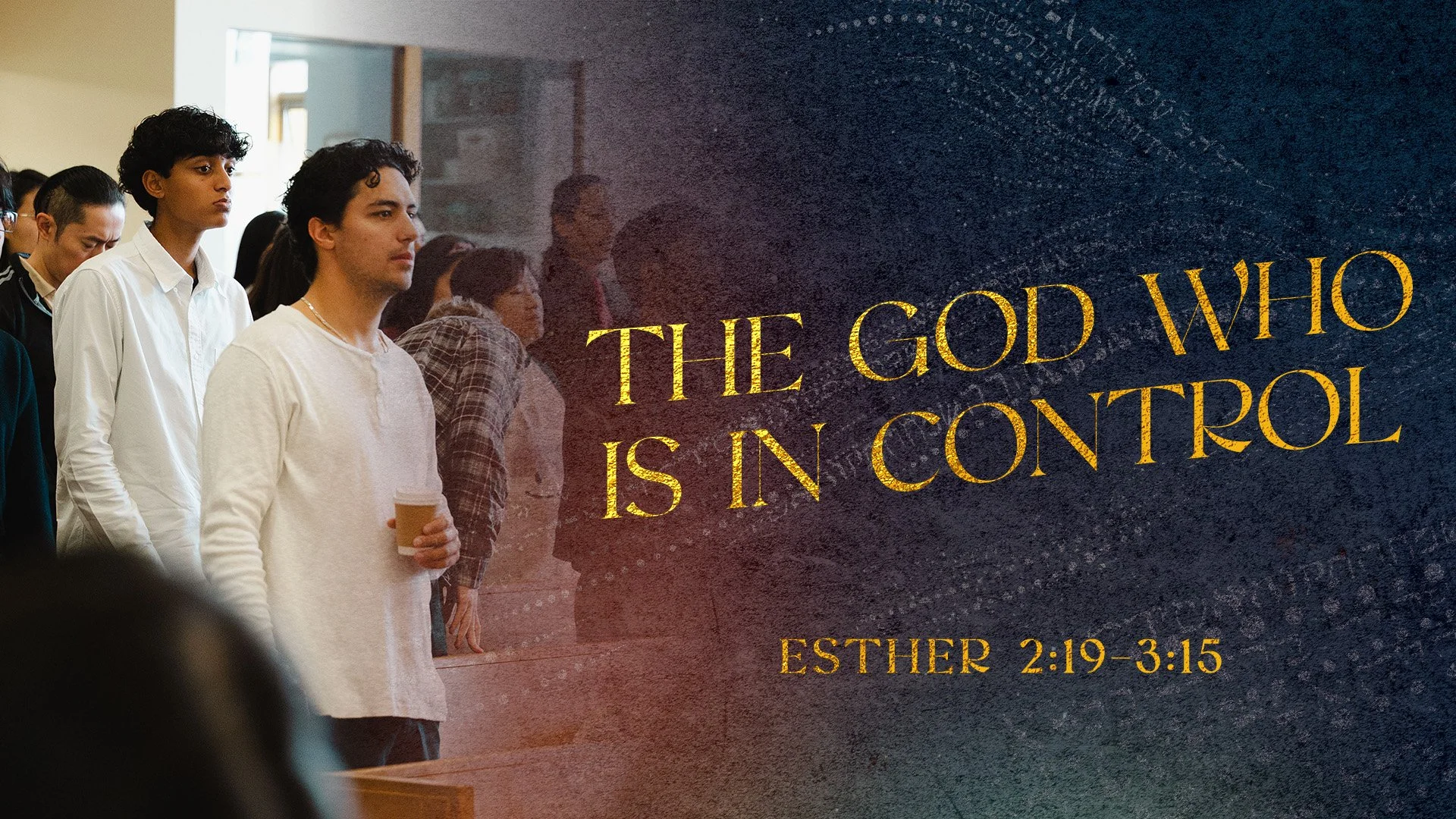
Mordecai’s faithfulness looked forgotten, Haman’s evil looked unstoppable, and a roll of the dice set a death date—yet “the lot is cast… but its every decision is from the Lord” (Prov. 16:33). God records what others overlook, restrains what evil intends, and turns delays into deliverance. So don’t quit doing what’s right; in Christ, “all things work together for good” (Rom. 8:28). When life feels out of control, trust the God who’s always in control.
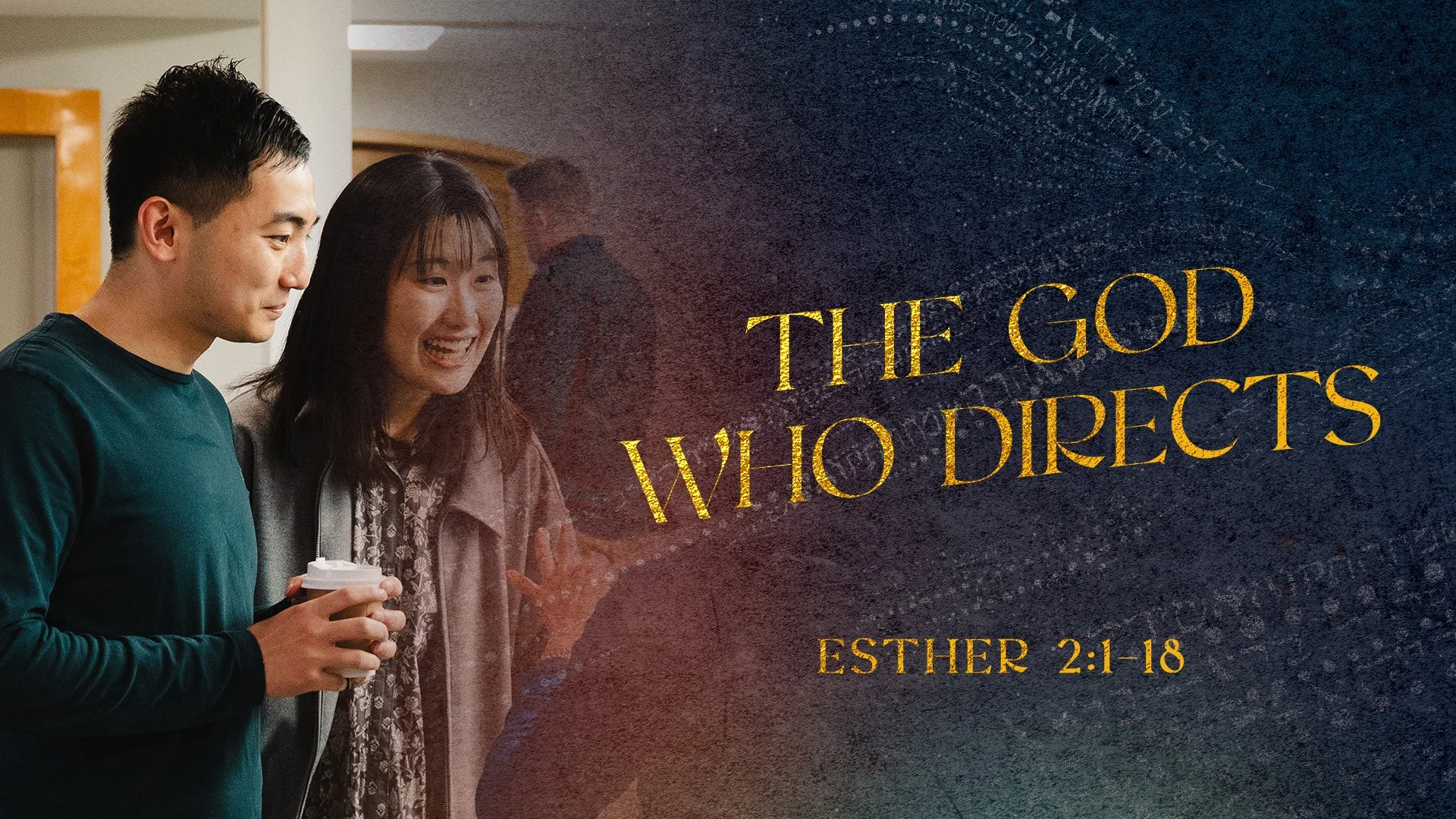
When God seems quiet, Esther 2 shows he’s anything but absent. In a corrupt empire and a messy story, the unseen King is turning hearts and moving pieces to place his Esther where his people need her. Esther didn’t choose her circumstances, but God used them, pointing us to Jesus who redeems our guilt and heals our shame. The same God who ruled in Esther’s day rules ours.
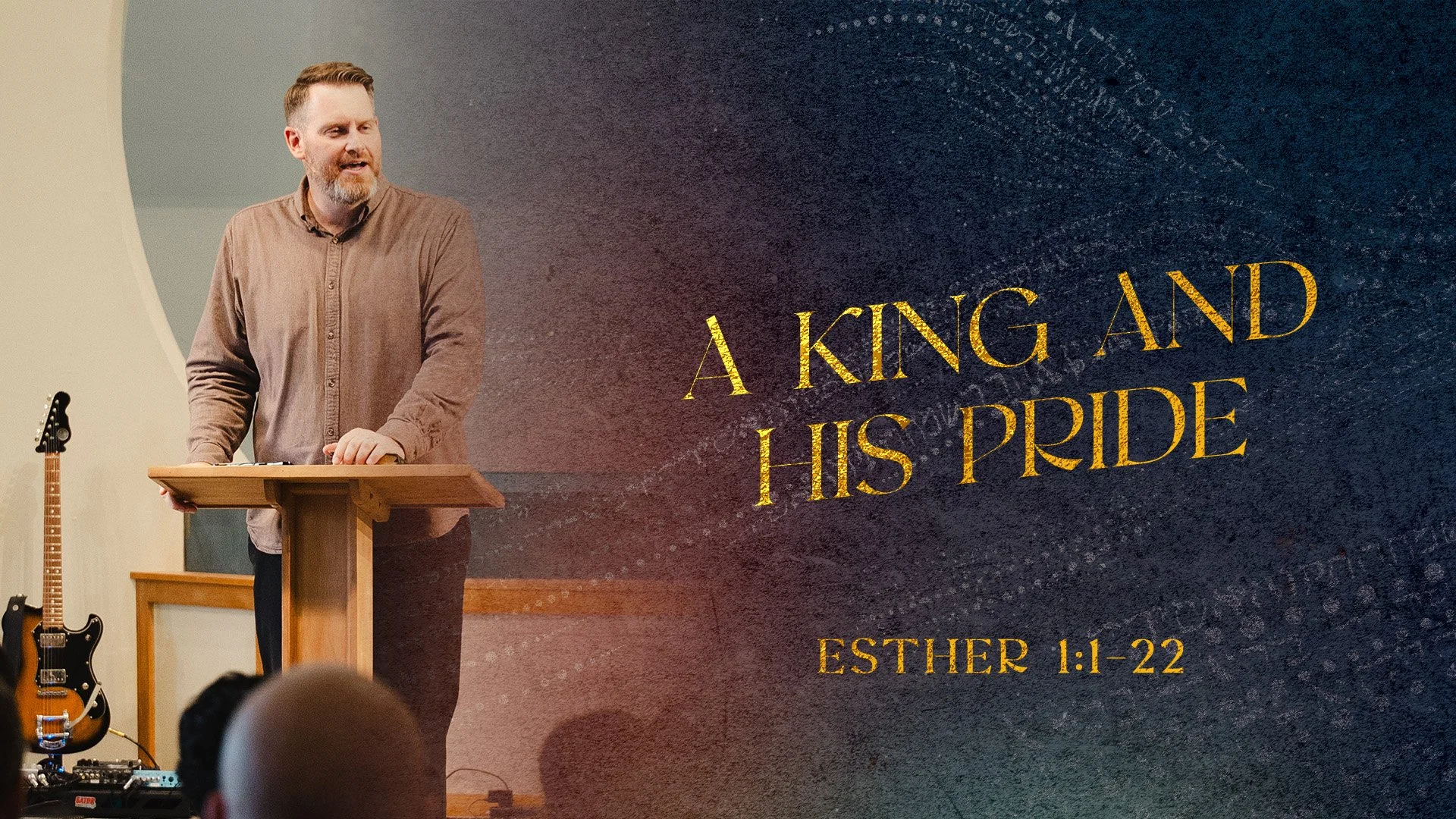
When things get darker, we don’t shrink back, we look up and remember God’s still writing the story. Esther’s world was messy too, yet the unseen hand of providence placed her right where grace could break in. What others mean for evil, our God can bend for good, shaping us to look more like Jesus and advancing his purposes. So we humble ourselves under his mighty hand, pray, and take the next faithful step. Trust this today—God sees, God cares, and God is at work even when you can’t see how.